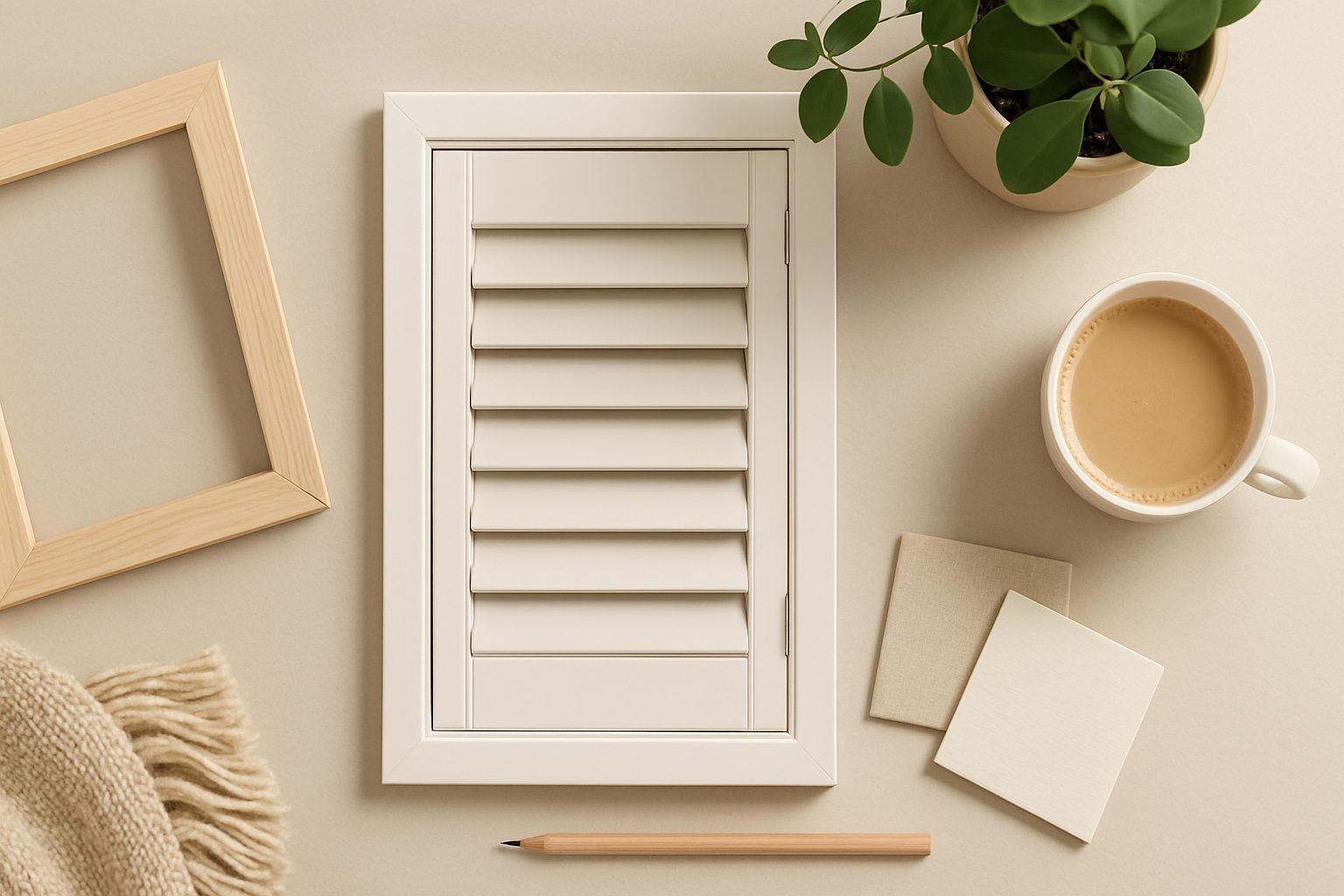
Tier-on-Tier Shutters UK Review: Best Brands for Privacy and Light Control
Tier-on-tier shutters—sometimes called split-rail shutters—are one of the most practical interior shutter styles for British homes. Unlike solid shutters, they split in the middle, letting you open the top and bottom panels independently. This means you can control light and privacy separately: pull down the top half for evening privacy while keeping the bottom open for natural light, or crack open just the lower section for ventilation without exposing your interior.
They're especially popular in period properties, but modern homes benefit just as much from the flexibility. Here's what actually works about them, the brands worth considering, and when they make genuine sense for your windows.
Why Tier-on-Tier Shutters Suit UK Homes
The independent control is the real win. Victorian and Edwardian properties—which still account for a large slice of UK housing—have tall sash windows designed to let light travel deep into rooms. Standard full shutters sacrifice that. Tier-on-tier panels let you preserve the original window proportions while keeping your living room from becoming a fishbowl at street level.
Privacy at night, views during the day. That's the core appeal, and it genuinely works better than trying to manage a heavy curtain or a single set of roller blinds.
The aesthetic matters too. Period homes expect shutters that look sympathetic to their era. A well-installed tier-on-tier shutter in timber or painted composite sits comfortably on a Victorian bay without looking like a modern add-on. The visible frame sits inside the window recess, which is how Georgian and Victorian properties originally had them.
Noise insulation is often mentioned. Shutters do help—they add mass and dead air behind windows—but they're not triple glazing. Expect a modest reduction in street noise, not a solution to living next to a main road.
Top UK Suppliers to Consider
The Shutter Shop remains the highest-street presence. They stock made-to-measure and off-the-peg options in both real wood and composite. Their tier-on-tier range is solid and they have physical showrooms in London, Manchester, and online ordering. Pricing sits mid-range to premium; installation costs vary but are rarely bargain-basement. Lead times can stretch to 10+ weeks for custom work.
Shutterly Fabulous specialise in painted timber shutters. Their work is visibly hand-finished and they're known for getting period details right on Victorian and Georgian properties. They're smaller, more bespoke, and pricing reflects that—expect to pay for craftsmanship. Their tier-on-tier shutters use traditional hardware that looks correct on older homes. Wait times are longer but the finish is noticeably better than mass-produced alternatives.
California Shutters operate nationwide with franchise stores. They push composite shutters heavily, which is fair for a reason: painted MDF or PVC doesn't warp, splinter, or need sanding down every few years. Their tier-on-tier options are fine but feel more modern than period-sympathetic. Pricing is competitive and they run regular promotional discounts.
Made.com and Wayfair stock budget tier-on-tier kits—often described as split-rail or café-style shutters—in the £150–£400 range per window. These are flat-pack or semi-flat-pack. Build quality is variable; some last years, others show paint chipping within months. Installation is straightforward for confident DIY but hanging and squaring them takes time. They're worth it for rental properties or if you want to test the look cheaply. They won't match the finish of a bespoke supplier.
Amazon UK lists various split-rail shutter kits from smaller manufacturers. Stock ranges wildly but you'll find options in painted pine and composite. Returns are usually hassle-free, which is a genuine advantage if fit or quality proves disappointing. Again, these sit at the budget end and aren't suitable for prominent period properties where finish matters visually.
What to Actually Check Before Buying
Shutter depth and window recess. Tier-on-tier shutters need to fold into your window frame or sit just proud of it. Measure your recess depth carefully—shutters that stick out 15mm beyond the frame look clumsy. Bespoke makers will get this right; off-the-shelf kits need careful selection.
Magnetic catches versus friction hinges. Cheaper shutters use friction hinges alone; they can drift open or closed over time. Better ones add magnetic catches to hold panels in position. It's a small detail that makes daily use less frustrating.
Paint and finish durability. Solid timber will need repainting every 5–7 years in a humid bathroom or kitchen. Composite panels resist moisture and rarely need repainting. For kitchens and bathrooms, composite genuinely makes more sense despite the less authentic appearance.
Hardware visibility. Visible hinges and handles either look period-correct or cheap, depending on quality. Brass hardware on a Victorian property is right. Plastic handles on budget kits look obviously temporary.
Suitability for Your Home
Tier-on-tier shutters suit tall sash windows above all—the proportions work. They're less critical on cottage windows that are already small, and they look odd on large modern horizontal windows. They work on French doors if you're willing to compromise slightly on the ability to see out fully.
For period homes, they're often the right choice. For modern new-builds, they're optional—you might prefer roller blinds or curtains for simpler aesthetics.
Cost for a full set (four sash windows, bespoke) typically runs £1500–£3500 installed. Budget options drop to £600–£1200 for the same windows with off-the-shelf kits. Labour for professional installation is usually £200–£400 per window.
Tier-on-tier shutters aren't essential, but they solve a real problem—independent light and privacy control—in a way that looks right in a British period home.
More options
- MDF Plantation Shutter Panels – Amazon UK (Amazon UK)
- PVC Waterproof Shutter Panels – Amazon UK (Amazon UK)
- DIY Interior Shutter Kit – Amazon UK (Amazon UK)
- Venetian Blinds (Comparison Alternative) – Amazon UK (Amazon UK)
- Shutter Fitting & Measuring Tools Bundle – Amazon UK (Amazon UK)